《S.T.A.L.K.E.R. 2: Cost of Hope》评测:付费 DLC 让禁区体验更胜以往
S.T.A.L.K.E.R. 2: Cost of Hope Makes the Zone Better Than Ever
GSC Game World 为 S.T.A.L.K.E.R. 2 推出首个主要付费扩展 Cost of Hope 与免费 Update 2.0,显著改善画面、性能与稳定性并新增区域和剧情。Cost of Hope 分两部分嵌入原战役,含 Iron Forest 等新区域与多抉择角色驱动故事。扩展与更新并行致改动难区分,但整体使本就出色的开放世界射击体验大幅提升。
This review took me a while to write for a few reasons, none of which had anything to do with a lack of admiration or enthusiasm for what I consider one of the best open-world adventure shooters ever made. The S.T.A.L.K.E.R. series has always presented a fascinating dystopian world set in the Ukrainian countryside following the Chornobyl disaster. Only instead of worrying about radiation alone, players must contend with deadly mutants, strange anomalies and powerful artifacts with unusual properties.
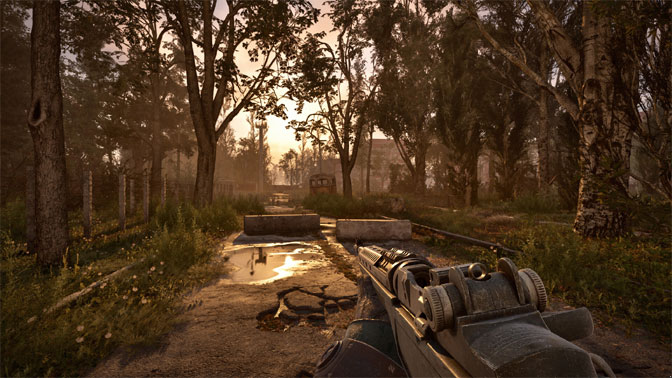 The series has been around for a long time, although S.T.A.L.K.E.R. 2: Heart of Chornobyl was released in 2024. It earned a great review here at GiN. Like its predecessors, the title features an interesting main plot, but it never really rushes players to complete objectives. If you would rather explore the Exclusion Zone, hunt for artifacts or simply wander around looking for adventure and trouble, that’s perfectly fine. In fact, some of my favorite experiences in the series have come from doing exactly that.
So why did this review take so long?
Two things happened at once. First, developer GSC Game World released its massive Update 2.0 at the same time as Cost of Hope, the first major paid expansion for S.T.A.L.K.E.R. 2. The free update significantly improved the game’s graphics, performance and stability while introducing additional equipment and gameplay features. Other than a few bumps in the road, like having to reconfigure my graphics and performance settings, it made an already impressive experience dramatically better.
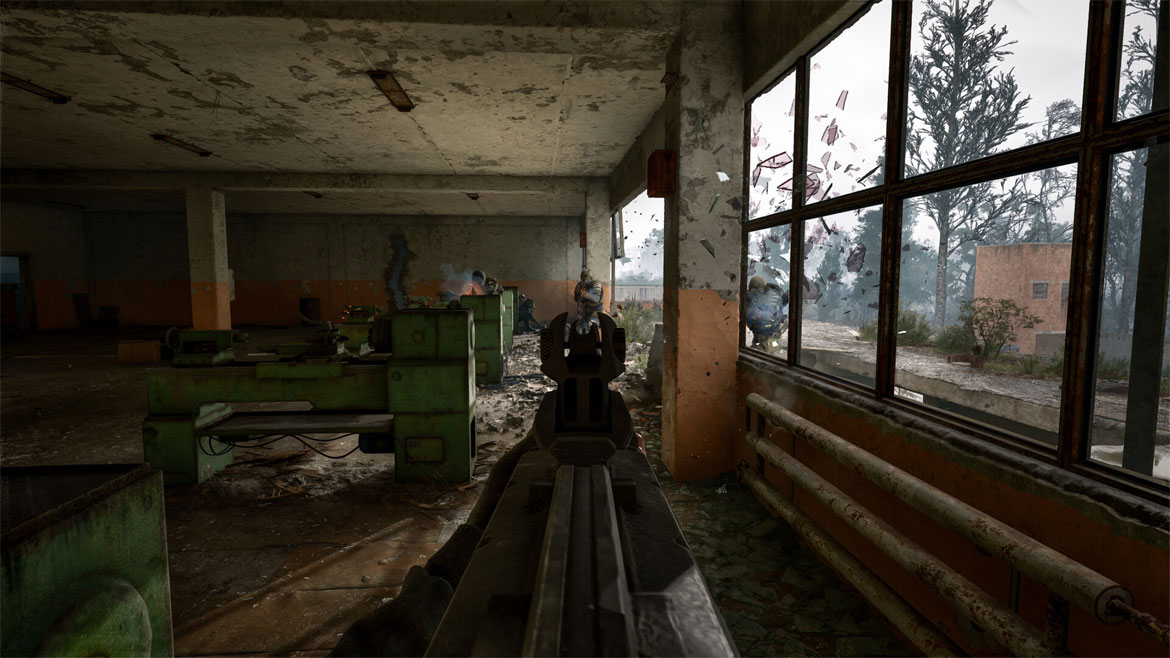 I previously covered those improvements in my extensive review of Update 2.0, but playing the expansion alongside them made it difficult to determine exactly which changes came from the update and which were exclusive to the DLC. The most obvious additions from Cost of Hope are its new explorable areas, characters and lengthy storyline, but there is a lot more to discover.
The second complication is how Cost of Hope is structured. Instead of presenting one continuous adventure, the expansion is divided into two main parts that become available at different points in the original campaign. I had just started yet another playthrough when the DLC arrived, so I wasn’t particularly far along in the main story.
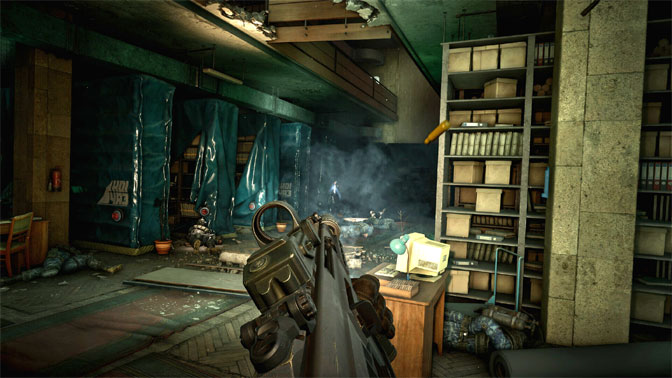 To their credit, the developers provide an option to start a new game at the point where either part of the expansion begins. However, I was already invested in my new character and the way I was playing him, so I decided to continue normally. That meant spending quite a bit of time in the Zone before I could experience everything Cost of Hope had to offer.
The first part of the expansion becomes available relatively early after unlocking the Slag Heap. Eventually, you start hearing rumors about a fellow who knows a way into the Iron Forest, one of the new regions. Unfortunately, the area is walled off and guarded by the International Perimeter Security Force, or IPSF, which generally doesn’t appreciate stalkers wandering through its territory.
When you find the man, he’s reluctant to share his secret. However, if you happen to have enough booze in your inventory, you can get him drunk enough to reveal a hidden tunnel that he and his bandit friends have been using to sneak inside. There are other ways to obtain the information, but a partial six-pack of beer is certainly one of the more entertaining solutions.
 That little encounter also provides an early indication that Cost of Hope is going to offer a much more involved and character-driven storyline than players might expect from a typical DLC.
The Iron Forest is located about a kilometer or so away from the Slag Heap, and getting there is easy enough as there is a relatively safe road that leads right to the front entrance. Once you arrive, however, you’ll discover that the IPSF soldiers guarding the massive gate are under attack by mutants. You can ignore their problems and head toward the hidden tunnel, or you can rush in and help them.
I chose to help. The surviving soldiers recognized that I was a competent fighter and asked me to investigate some missing patrols deeper inside the forest. They also gave me a gate key, which made entering and leaving the area much easier from that point forward.
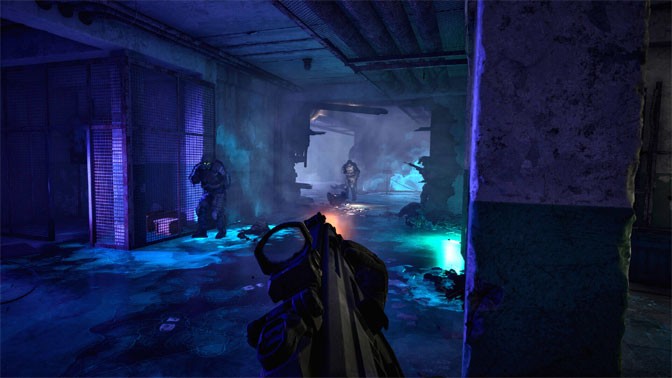 I really like these kinds of choices. The expansion frequently presents situations where the player can approach a problem in different ways, and sometimes earning entirely different opportunities depending on the decision. It makes the world feel more responsive to your actions rather than simply directing everyone down the same path.
The Iron Forest itself is huge, consisting primarily of the electrical transmission lines, substations and infrastructure that once served the Chornobyl Nuclear Power Plant. The reactor and its surrounding grounds are also included in the expansion, although reaching that legendary location requires progressing much further into the main storyline.
As a place to explore, I wasn’t completely impressed by the Iron Forest’s scenery. Much of it consists of transmission towers and electrical equipment spread across relatively open terrain, so there isn’t as much visual variety as in some other parts of the Zone. The buildings and installations are interesting, but the landscape itself isn’t especially memorable. Navigation is also fairly straightforward, at least compared with some of the more confusing locations in the original campaign. Of course, being able to find your way around doesn’t mean the Iron Forest is safe. It’s quite the opposite.
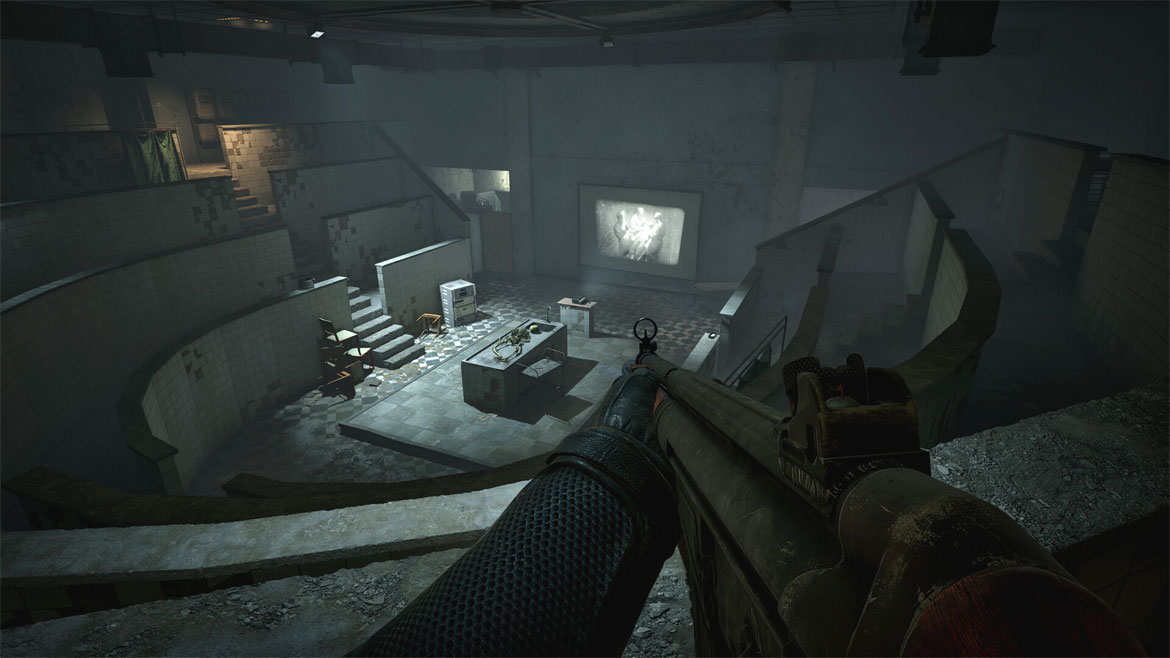 The region is supposed to be exceptionally dangerous, and GSC Game World certainly delivers on that promise. During an early mission to locate missing IPSF soldiers, I encountered a Chimera, one of the most fearsome mutants in the entire Zone. Nothing says welcome to a new area quite like being attacked by a massive, incredibly fast creature that seems capable of absorbing an entire ammunition supply.
There are also strange bursts of energy called Flares, which function almost like miniature emissions. Unlike the full-scale emissions that can kill an unprotected stalker, these pulses generally last only a few seconds. However, they can bring additional mutants into the area and make an already dangerous situation considerably worse.
My advice is to bring plenty of ammunition and a fully upgraded shotgun, preferably the excellent Saiga D-12. Between the aggressive mutants, electrical anomalies and unexpected encounters, the Iron Forest is not somewhere to casually wander around with substandard equipment.
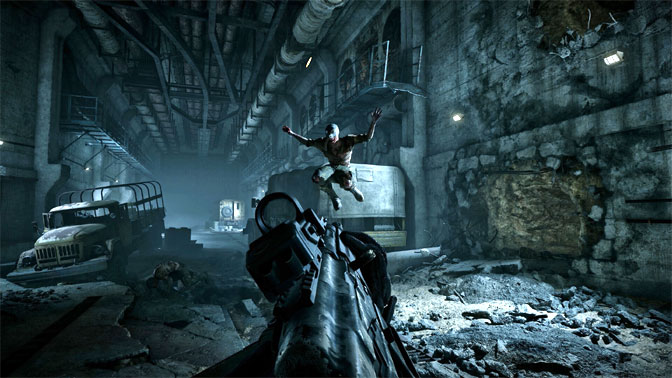
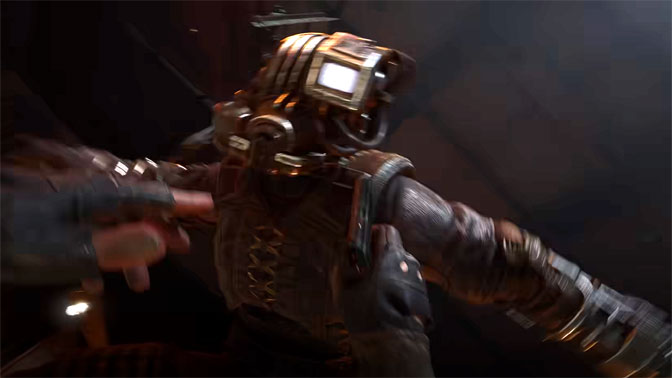 The expansion also introduces a particularly nasty new mutant called the Amok. These things resemble heavily armored humanoids, and fighting one requires a completely different strategy from most of the other enemies in the game. The Amok’s frontal armor initially makes it nearly impervious to conventional gunfire. Instead, you need to maneuver behind the creature and shoot the glowing electrical components mounted on its back. Once those protective systems are destroyed, you can finally begin dealing more conventional damage.
Unfortunately, the Amok doesn’t make that process easy. It charges aggressively, knocking players down and leaves only brief opportunities to attack its weak points. The first encounter takes place in a relatively small arena-like room, which makes getting behind the creature especially difficult. I found that battle frustrating, although I also appreciate that the developers created an enemy that can’t simply be defeated by unloading ammunition into its face. It forces players to think tactically, change their approach and learn a new combat pattern.
Eventually, your travels through the Iron Forest lead to a major settlement occupied by members of two of the Zone’s most recognizable factions, Duty and Freedom. Normally, these groups have opposing philosophies and don’t particularly like each other. But conditions in the Iron Forest are so dangerous that they’ve established an uneasy working relationship.
This is where Cost of Hope really begins to shine.
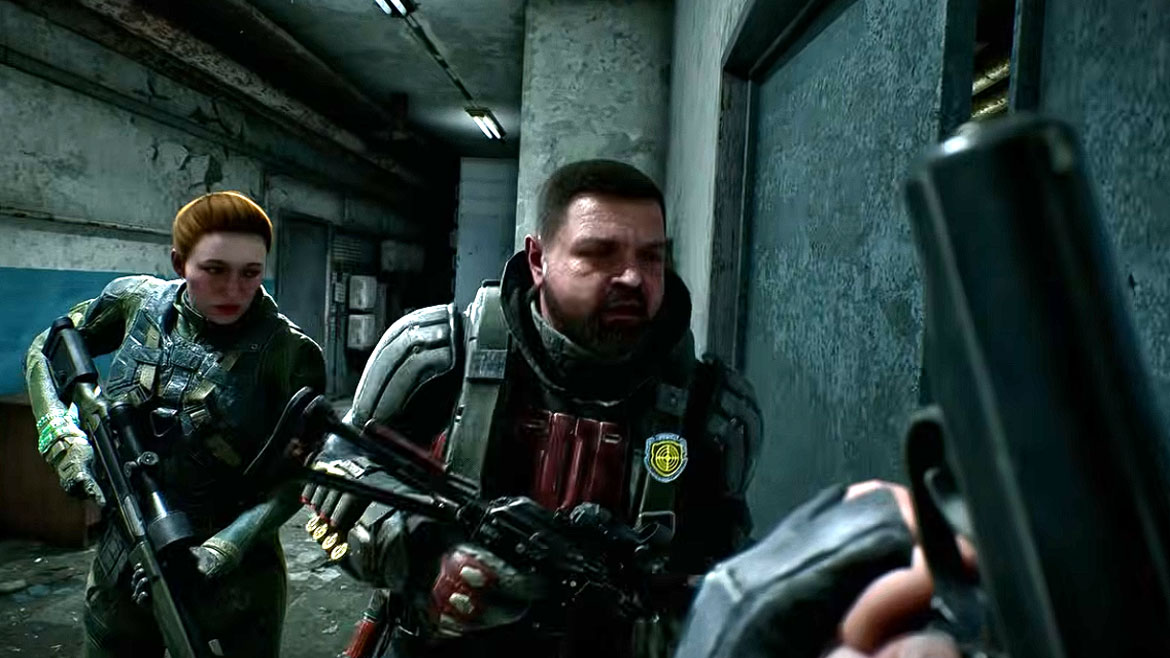 Players meet two unofficial representatives of the factions, and both are amazing characters. Zulu represents Duty, and veterans may remember him from S.T.A.L.K.E.R.: Call of Pripyat. He’s a seasoned stalker who has returned to Duty at General Voronin’s request and becomes an important figure in the expansion. On the Freedom side is Mavka, the sharp-tongued woman who serves as the announcer at Rostok’s Arena. Players who spent time competing in the Arena during the original game should recognize her voice. Here, she gets a much larger role and quickly becomes one of the most entertaining people to interact with.
Both characters are fully voiced, well-written and genuinely interesting. I enjoyed spending time with them, which becomes important later when the expansion starts asking players to make some difficult decisions.
Initially, Duty and Freedom are working together to investigate the dangerous Flares and hopefully stop them. But as the first part of the story progresses, the relationship between the factions begins to deteriorate. Eventually, tensions threaten to break the Ward’s treaty and push the groups toward open warfare.
And then, just as things become especially interesting, the expansion makes you return to the original campaign.
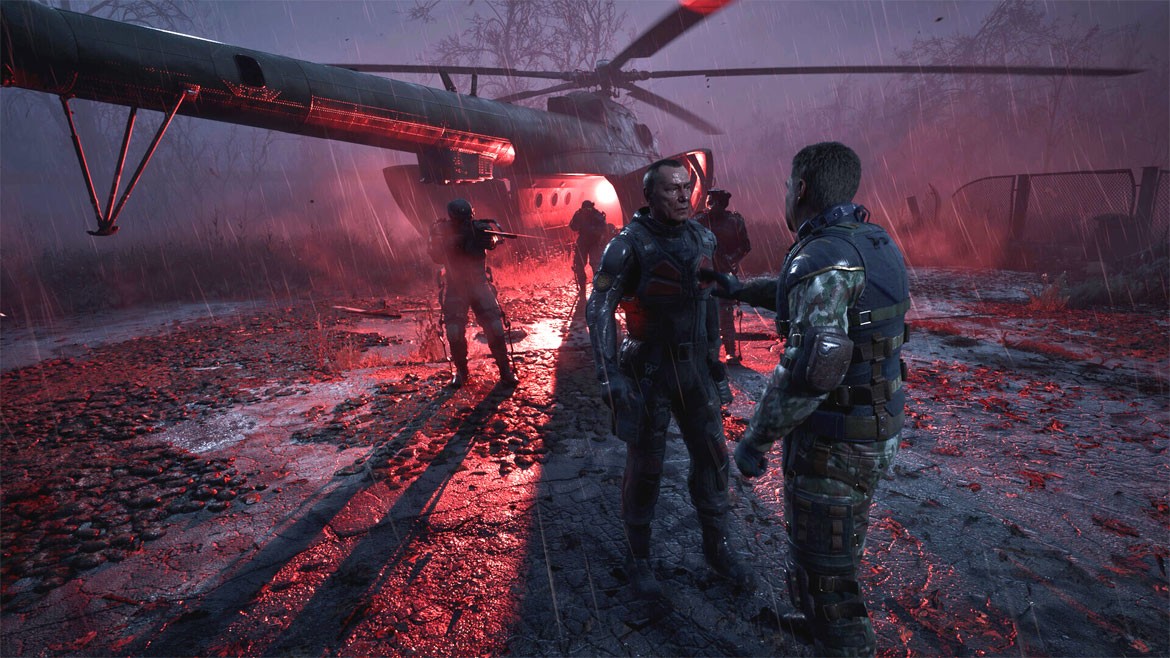 This is probably my biggest criticism of Cost of Hope. The second part doesn’t become available until much later after completing the main story’s Swamp missions and visiting the SIRCAA research facility. Depending on how thoroughly you explore the Zone, that can represent a considerable amount of playtime. I actually found myself struggling to remember some details of the earlier storyline by the time I was summoned back. Although the expansion is integrated nicely into the main campaign, I wish the two parts had been positioned a little closer together.
Thankfully, the second half is worth the effort.
When the story resumes, the conflict between Duty and Freedom is reaching its breaking point. This time, you can’t simply help everyone and remain friendly with both factions. You have to choose a side. That was a surprisingly difficult decision for me because I had grown to like both Zulu and Mavka. Neither faction is presented as an obvious collection of villains, and both have reasons for believing their approach to the Zone is the correct one.
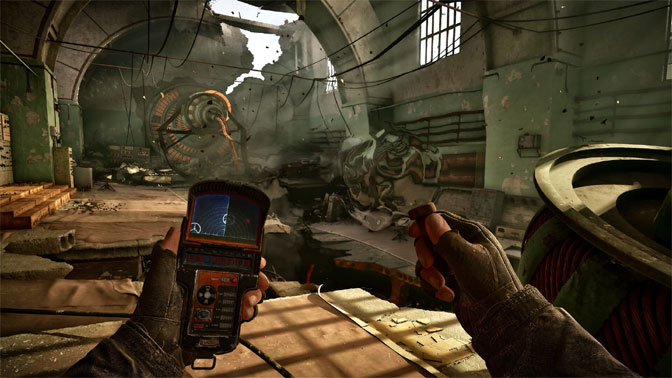 In my original S.T.A.L.K.E.R. 2 playthrough, I was something of a legal eagle, generally supporting the Ward and trying to bring order to the Zone. That version of my character probably would have sided with Duty. This time, however, I was playing a much more independent stalker. I spent my days hunting artifacts, collecting valuable weapons, taking side jobs and generally enjoying the freedom of life in the Zone. Given that attitude, siding with Freedom seemed like the natural choice.
I was happy with my decision, but I also wanted to experience the other side of the conflict before finishing this review. So, I used the DLC’s quick-start option to create another character and play through Duty’s campaign as well.
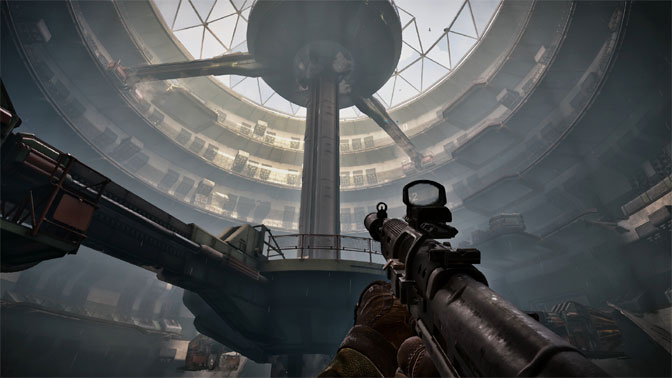 I’m glad I did. The two routes follow broadly similar mission structures, so players won’t miss half the expansion by choosing one faction over the other. However, there are enough differences in the characters, objectives and rewards to make experiencing both worthwhile. Freedom’s path seemed to have slightly more content, while Duty’s was a little more straightforward. Both were excellent adventures, and each offers unique weapons as rewards.
More importantly, the choice feels meaningful because the story has spent time developing both factions and the people representing them. By the time you make your decision, it feels like you’re choosing between competing visions of the Zone, not simply picking which group offers the better equipment.
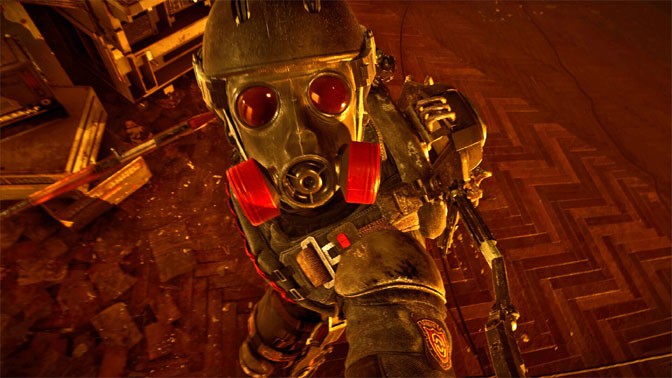 The second part also delivers one of the expansion’s most memorable attractions: the opportunity to explore the Chornobyl Nuclear Power Plant itself. Now, longtime fans may remember entering the Sarcophagus surrounding Reactor 4 in the original S.T.A.L.K.E.R.: Shadow of Chernobyl in 2007. The power plant also appeared during the finale of Clear Sky in 2008, although that adventure largely kept players outside.
Cost of Hope brings this iconic location into the modern game rendered with the much more advanced technology available today. The result is spectacular. There is something uniquely unsettling about exploring a location that exists in the real world and is associated with such a terrible historical disaster. The ruined industrial structures and surrounding grounds are already imposing, but knowing the history behind them makes the experience even more memorable.
GSC Game World is a Ukrainian developer, and the Chornobyl disaster is an important part of the country’s history. The care that went into recreating the location is evident, and walking through it feels very different from exploring another abandoned military base or mutant-infested laboratory. The developers also make excellent use of the location for the expansion’s storyline, which gives players a compelling reason to venture into the very heart of the Zone.
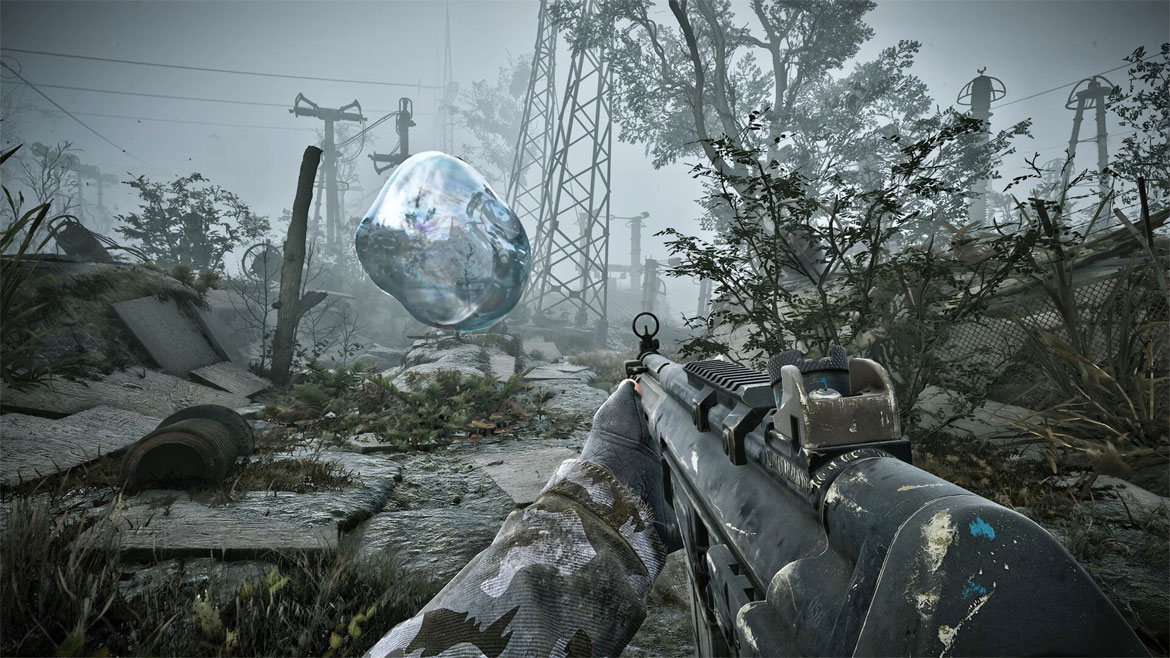 Combat throughout Cost of Hope is brutal, even by S.T.A.L.K.E.R. standards. Between the dangerous mutants, powerful human enemies, new threats and difficult encounters, this is not an expansion I would recommend to someone who has just started learning how to survive in the Zone. Experienced stalkers, however, will find plenty to enjoy. The expansion offers encounters that feel almost like endgame content without requiring players to advance all the way into the original campaign’s final, more restrictive sequence of missions.
And while I expected the new locations and difficult battles to be entertaining, what surprised me most was just how good the storytelling became. Cost of Hope features some of the best characters, dialogue, adventures and narrative moments in the entire game. Zulu and Mavka are both memorable, and the central conflict provides a surprisingly effective emotional foundation for the action. Without spoiling anything, the closing chapters deliver moments that genuinely stayed with me after the shooting stopped.
The quality of the expansion also suggests just how much GSC Game World has learned since S.T.A.L.K.E.R. 2 first launched. The developers have clearly continued refining not only the game’s technical performance but also their ability to tell interesting stories within its sprawling world.
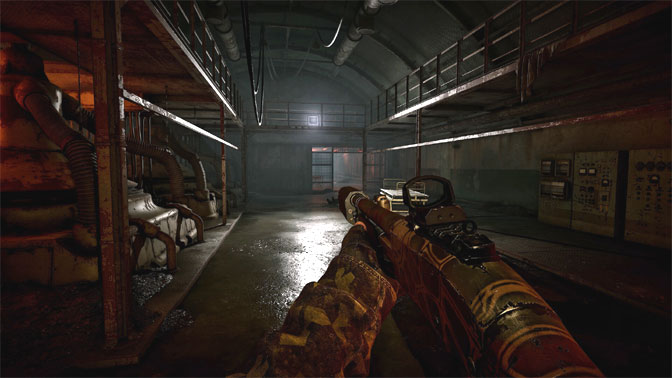 When combined with Update 2.0, the improvement is remarkable. The enhanced visuals make the Zone more scenic and atmospheric, while better performance and stability allow players to spend more time enjoying the adventure instead of wrestling with technical problems. The new equipment and refinements also make exploring older regions feel worthwhile again.
In fact, Cost of Hope integrates so naturally into the existing campaign that I now consider it an essential part of S.T.A.L.K.E.R. 2 rather than an optional side adventure. It’s worth starting a completely new playthrough just to experience the original story with the expansion woven into it.
There are certainly a few imperfections. The Iron Forest isn’t the most visually interesting region. Some of the new enemy encounters can become frustrating, and the long gap between the expansion’s two parts disrupts the story’s momentum. But those complaints are minor compared with everything the DLC gets right.
 Cost of Hope isn’t quite S.T.A.L.K.E.R. 3, but it comes closer to offering a major new adventure than many full-priced expansions. It brings compelling new characters, meaningful choices, memorable locations and some of the toughest combat challenges in the entire series. For longtime fans, it’s an experience that shouldn’t be missed. For anyone who has been considering another trip into the Zone, the combination of Cost of Hope and Update 2.0 provides an excellent reason to return.
S.T.A.L.K.E.R. 2 was already one of my favorite open-world shooters. With Cost of Hope now part of the journey, I believe this is the best the series has ever been. And in a Zone where nearly everything is trying to kill you, discovering an adventure this good makes all those terrifying journeys worthwhile.
The post S.T.A.L.K.E.R. 2: Cost of Hope Makes the Zone Better Than Ever appeared first on Game Industry News.
来源:GameIndustry.com · gameindustry.com