英特尔正通过Valve的Proton启用XeSS的XMX加速,Linux下性能有望提升
Intel XeSS Could Soon Deliver Better Performance On Linux As Intel Works To Enable XMX Acceleration Through Valve’s Proton
英特尔工程师向Proton、Wine、VKD3D-Proton和DXVK提交补丁,旨在让Linux下Intel Arc显卡通过XMX引擎实现XeSS硬件加速升频。目前XeSS在Proton下仅走慢速回退路径,新补丁将转发原生Linux库调用。四个拉取请求仍在审核未合并,暂无确认发布日期。
Intel is working on improving XeSS (Xe Super Sampling) support on Linux, with a new series of patches aiming to enable hardware-accelerated XeSS upscaling through Valve's Proton compatibility layer. The proposed changes would allow supported Intel Arc GPUs to take advantage of their dedicated XMX (Xe Matrix Extensions) engines when running Windows games on Linux, potentially delivering substantially better upscaling performance.
As reported by Phoronix, Intel engineer Damian Tomczak has submitted four interconnected pull requests targeting Proton, Wine, VKD3D-Proton, and DXVK. Together, these changes address a longstanding limitation that has prevented XeSS from fully utilizing Intel's dedicated AI acceleration hardware in Windows games running through Proton.
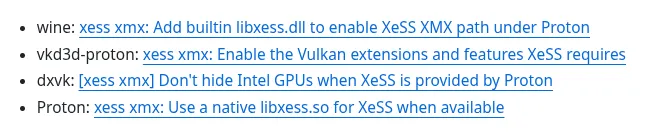
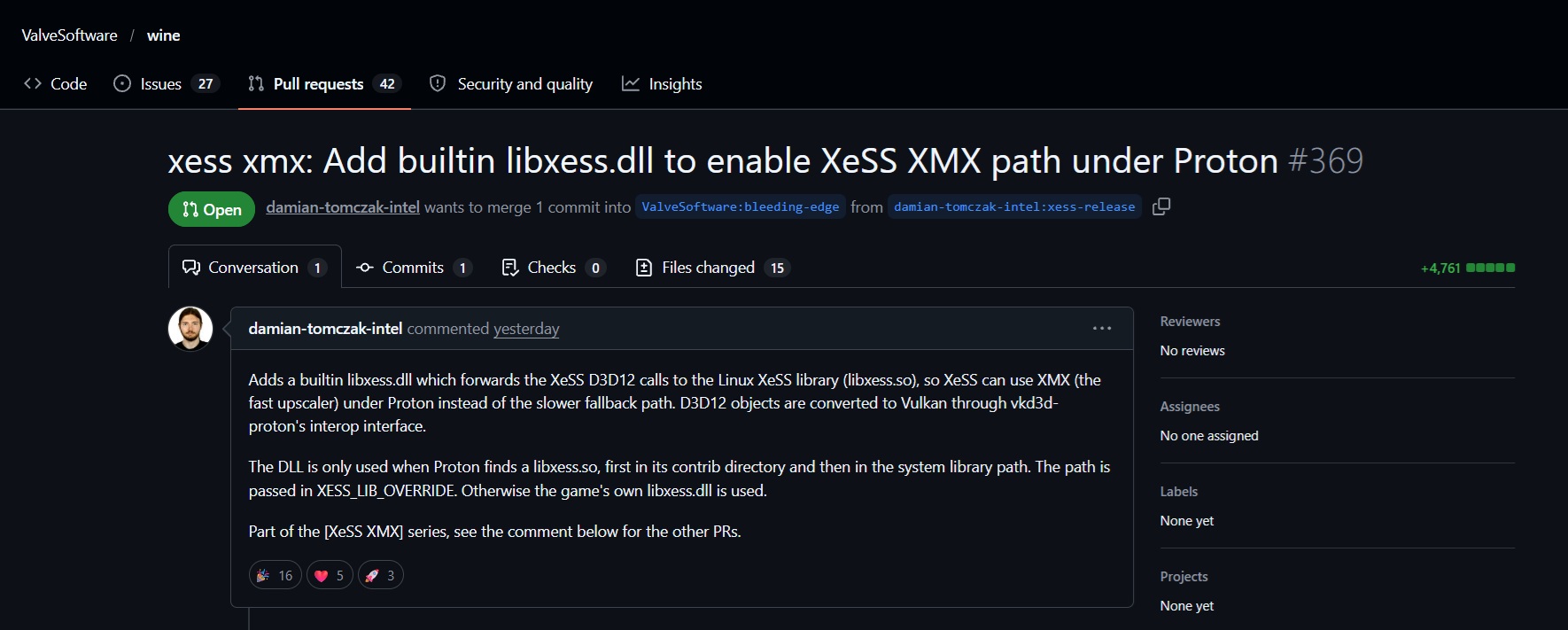
Currently, XeSS can operate through a slower fallback path under Proton, meaning Intel GPU owners may not benefit from the more efficient XMX-accelerated implementation available on Windows. The proposed solution introduces a built-in libxess.dll runtime within Wine that forwards Direct3D12 XeSS calls to the native Linux XeSS library (libxess.so), allowing workloads to execute through the accelerated path.
The Wine pull request explains that Direct3D 12 objects are translated into Vulkan objects through VKD3D-Proton's interoperability interface, enabling the native XeSS implementation to operate within Proton's existing graphics translation infrastructure.
Accompanying changes to VKD3D-Proton ensure that the necessary Vulkan extensions and device features are enabled, while DXVK receives adjustments to prevent Intel GPUs from being incorrectly hidden from games when Proton supplies its own XeSS library.
Meanwhile, the Proton-specific implementation handles library selection and compatibility. Proton will search for a suitable native Linux XeSS library, including user-specified locations, and only use it when its version meets or exceeds the version required by the game. Otherwise, the game will continue using its existing Windows XeSS DLL.
This approach should preserve compatibility while unlocking the faster hardware-accelerated XeSS implementation wherever the necessary Intel hardware and software support are available.

It's worth emphasizing that this development concerns XeSS Super Resolution's XMX acceleration, rather than introducing the entire XeSS feature suite to Linux. It also primarily benefits compatible Intel Arc GPUs equipped with XMX engines, rather than GPUs from AMD or NVIDIA.

The four pull requests remain under review and have not yet been merged, so there is currently no confirmed release date for the improvements. Nevertheless, this is a welcome development for Intel Arc owners gaming on Linux, particularly as Proton continues to narrow the compatibility and performance gaps between Windows and Linux gaming.
If successfully implemented, the changes could finally allow Intel's dedicated XMX hardware to deliver its intended XeSS performance advantages in Windows games running through Proton.
News Source: Phoronix

About the author: Sebastian Castellanos is a data scientist by education and training. He's also deeply passionate about PC gaming hardware and software. He has recently started writing technical articles and guides on Wccftech about PC hardware, games and mods.
Follow Wccftech on Google to get more of our news coverage in your feeds.
来源:Wccftech · wccftech.com