ESA要求美国政府将预装盗版游戏的复古掌机列为恶名市场
US government told to flag retro handhelds loaded with pirated games as a ‘notorious market’
美国娱乐软件协会(ESA)已要求美国贸易代表办公室(USTR)将预装未授权游戏的复古掌机列入2026年度恶名市场清单。ESA在报告中点名厂商Anbernic,称其设备常预装数百至数万款成员厂盗版游戏,并建议海关与平台采取检查存储媒体等七项措施。USTR目前已收到约30份相关回应,年度清单将决定是否采纳。
同一新闻,精选展示《ESA 请求美国贸易代表调查 Anbernic 掌机模拟器市场并列为超仿》
US video game trade group the Entertainment Software Association (ESA) has asked the US government to flag retro handheld devices containing pre-installed games as a “notorious market”.
The Notorious Markets List is an annual report published by the Office of the United States Trade Representative (USTR) which identifies online and physical marketplaces that are accused of engaging in or enabling piracy and counterfeiting.
Every year, organizations are invited to nominate the websites and services they see as major threats for potential inclusion on the Notorious Markets List.
At the time of writing, the USTR has received around 30 responses – some of these are from organizations submitting their nominations for the list, while others are from companies already on the list, putting forth their case to be taken off it.
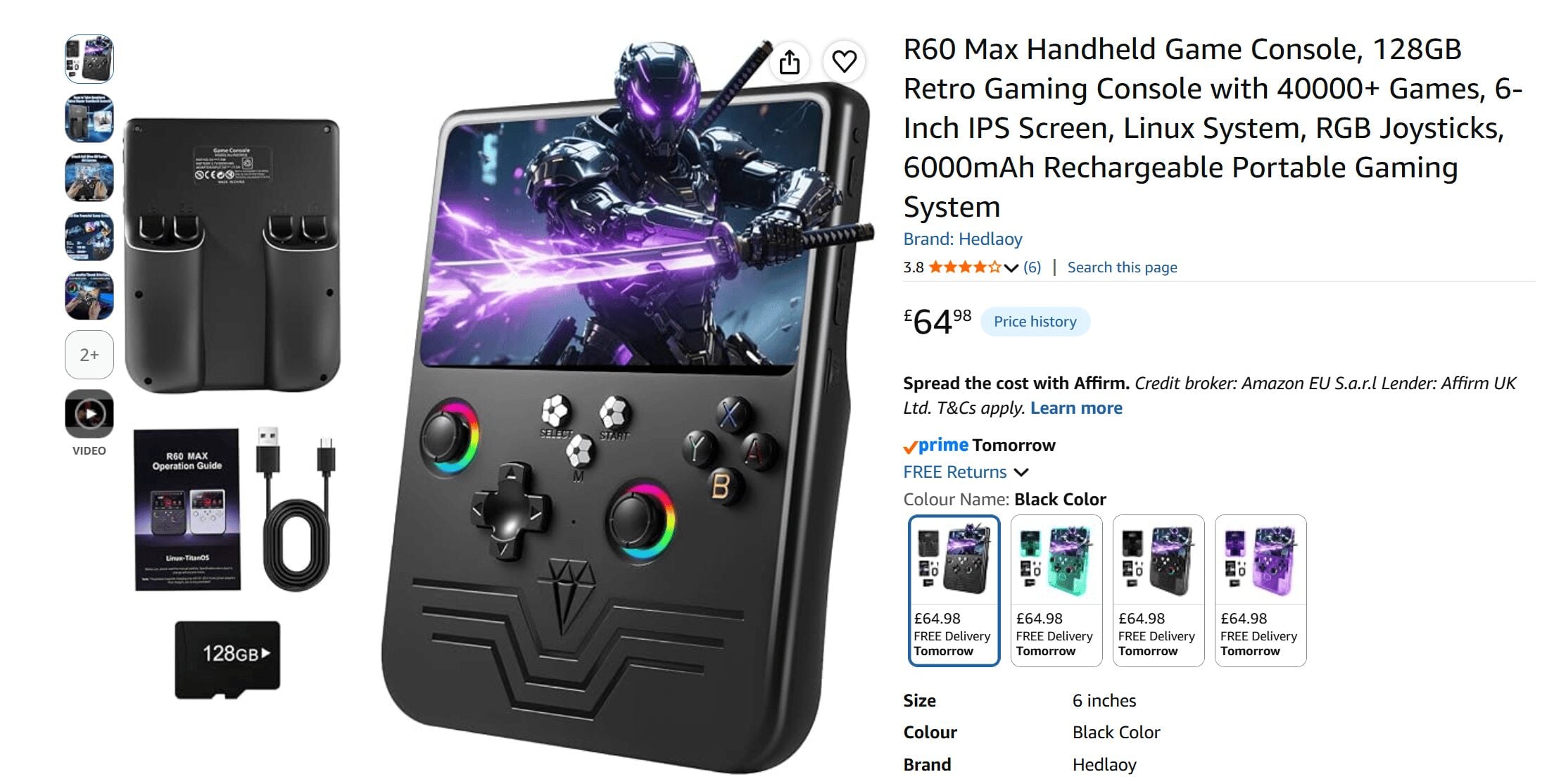
One of the documents is from the ESA, which has submitted its nominations. At the top of its list are “plug and play” emulation handhelds, which often come with many thousands of retro games pre-installed.
“In the video game sector, illicit plug-and-play consoles and handheld devices are the functional equivalent of superfakes,” the ESA’s report says, equating them with counterfeit luxury goods such as handbags, clothing and watches.
“They can look and feel like legitimate, mass-market consumer electronics – molded housings, color displays, polished user interfaces, retail packaging, product reviews, warranty-like representations, and listings on familiar e-commerce platforms.
“Yet their commercial appeal rests solely on a concealed memory card or internal drive loaded with hundreds, thousands, or even tens of thousands of unauthorized copies of copyright-protected games. Some products also use protected game titles, screenshots, characters, logos, or other source-identifying material in listings, packaging, interfaces, or promotional content without authorization.
“The result is not merely a low-quality electric device sold from the margins of commerce. It is a turnkey piracy product that presents visually and commercially to consumers as legitimate devices.”
The ESA goes on to explain that these devices make it easy for the general public (who may not know how emulation works) to access pirated ROMs while also removing their need to buy legitimate retro products, partly because they’re presented in a way that makes them look like an authentic, legal product.
“The high degree of apparent legitimacy magnifies the economic harm,” the ESA says. “A single device can substitute for lawful purchases across multiple video game publishers and console generations, divert sales from authorized games, compilations, subscriptions, remasters, and licensed retro hardware.
“Because the product is often delivered with an immediately usable catalogue of pirated games, it removes the technical friction that once separated mainstream consumers from video game piracy. Sellers commonly use the illicit library as a key selling point, and the commercial price often reflects this.”
ESA urges action on handheld piracy, names other ‘Notorious Markets’
The ESA has asked the USTR to urge governments and market operators to take the following seven steps regarding these devices:
- “Treat preloaded unauthorized game libraries as core evidence of commercial-scale piracy”
- “Inspect bundled and separately shipped storage media”
- “Require sellers to substantiate authorization for included games and protected branding”
- “Suspend repeat sellers and linked storefronts, not merely individual listings”
- “Preserve seller, payment, shipment, and advertising records for enforcement”
- “Improve customs targeting for devices and components associated with preloading operations”
- “Coordinate action against manufacturers, exporters, importers, fulfillment providers, and online marketplaces that knowingly facilitate these products”
The organization also specifically nominates retro handheld manufacturer Anbernic as a “Notorious Online Market”, noting that its devices “are routinely offered or shipped with removable memory cards preloaded with hundreds or thousands of unauthorized copies of copyright-protected video games published by ESA members”.
“The harm extends beyond substitution for authorized game sales,” it says. “Anbernic normalizes hardware-based piracy by delivering illicit catalogues through a polished consumer product, meeting the definition of a superfake as defined above. By marketing the devices through ordinary retail channels, the operation also shifts monitoring, investigation, notice, and remediation costs to publishers and marketplaces.”
Elsewhere in its report, the ESA nominates several other potential Notorious Online Markets for inclusion in the USTR’s annual report. These include “cracked game sources, repackers and linking sites”, “torrent and piracy co-ordination markets”, “unauthorized digital goods marketplaces” and “commercial cheat markets”.
The report concludes by asking the USTR to include these examples in its 2026 Notorious Markets List and “encourage the relevant governments, market operators, hosting and infrastructure providers, registrars, payment services, advertising services, e-commerce platforms, and other intermediaries to take sustained and effective action”.
This could include “investigation and prosecution of commercial-scale operators; preservation and production of ownership, transaction, advertising, and shipment records; suspension of repeat sellers and linked accounts; termination of revenue and infrastructure services consistent with applicable law; customs targeting and inspection of preloaded devices and storage media; and prompt, transparent, and durable responses to right-holder notices”.
来源:VGC (Video Games Chronicle) · videogameschronicle.com