Burny Games、Kokoon Games 与 Psyon Games 参与 Ending Well: The Art Of Killing Your Game 座谈分享
Ending well: The art of killing your game
Burny Games、Kokoon Games 与 Psyon Games 下周于 Pocket Gamer Connects Nordics 座谈分享结束游戏的艺术。
- Jasmin Verollet-Dahncke warns that fast prototyping can become a “silent killer” late in development.
- Burny Games’ Elena Lobova explains why a decent game can still lose out to stronger projects.
- Kokoon Games’ Henri Lindgren on killing prototypes fast and cheap with an AI-native pipeline.
- Psyon Games’ Niko Pyrhönen on keeping paused projects alive until the right partner comes along.
Stay Informed
Get Industry News In Your Inbox… Sign Up Today
At Pocket Gamer Connects Nordics in Helsinki next week, the panel “Ending Well: The Art Of Killing Your Game” will explore how studios balance creative ambition with commercial reality, handle the emotional and practical fallout of ending a game, and make sure every project leaves something valuable behind.
As a teaser ahead of next week's event, all four panellists, freelance and consultant Jasmin Verollet-Dahncke, Henri Lindgren of Kokoon Games, Elena Lobova of Burny Games and Niko Pyrhönen of Psyon Games share how they decide when a game has run its course.
Good isn’t always good enough
Elena Lobova, head of strategic partnerships at Burny Games, sees the decision from a publisher’s side. When a game sits in a wider portfolio, the question changes. It’s less about whether the game can succeed and more about “whether it’s the best use of the company’s resources.”
“A game might show decent results and still not justify further investment if other projects have stronger potential,” she explains. “It’s not necessarily a bad game, but the opportunity cost of continuing development can be too high.”
A portfolio makes those calls easier because the company isn’t relying on one title. But it also takes discipline “to avoid keeping underperforming projects alive simply because time and money have already been invested.” For Lobova, the key is “knowing when to stop iterating and redirect resources toward opportunities with greater potential.”

Kill fast, kill cheap
Kokoon Games founder and CEO Henri Lindgren calls the studio’s first game, Party Royale, “our hardest kill and also our best decision so far.” The core gameplay worked, he says, “but we never had a clear vision of where to take it.” The team started again, carrying over the lessons and tech, and that work became its cross-platform flagship, Liberators Inc.
Now the studio aims to kill games “faster than ever.” Its AI-native pipeline, Kokoon Hatchery, takes a PC game concept to a vertical slice in one to three weeks, then puts it in front of the genre’s most devoted communities. “If they bite, we build it."
“When a prototype flops, killing it is cheap, not company-breaking.”
Henri Lindgren
If not, we let it go before it becomes expensive,” he says. Its latest prototype, New World Trading Company, is picking up organic wishlists and a growing Discord. “When a prototype flops, killing it is cheap, not company-breaking.”
The silent killer
For Jasmin Verollet-Dahncke, a freelance game and UX designer and consultant, many projects get into trouble long before anyone talks about cancelling them. “Game development is messy and notoriously difficult, but there are many ways in which we make our lives more difficult than need be,” she says.
“The first and most critical point development teams and leadership should be aware of and discuss is what true progress looks like and how that shifts depending on what stage the project is in. For example, early pre-production lives from quick prototyping and accelerates production clarity, but the same process can become a silent killer at later stages if not handled correctly. The result: bloated and broken builds that block the team from testing and, in the worst case, leave you with months (sometimes years) of unplanned bug fixes and design changes.”
“Perfection isn’t achievable,” she adds. “But discussing progress openly (for example, in retrospectives), building a culture of regular testing and rewarding accountability will protect you from the most costly mistakes.”

When players aren’t the problem
For Niko Pyrhönen, executive producer at Psyon Games, the story is reversed. “We’ve created impactful games but couldn’t continue developing them without paying clients,” he says. In applied games, the hard part is the business model: “Who pays, why, and what value does the game create for them?”
The studio often shows strong results, but persuading health and pharma partners to try a new approach is still difficult. So it now invests more in sales and feasibility studies before production, setting out demand, budgets and constraints early. “Lessons learned,” he says.
Stopping development doesn’t always mean abandoning a game, Pyrhönen adds. Some of Psyon’s games stay live as demos for sales, while others go on hold until the right partner turns up. “The difficult call is deciding when further investment is justified and when to preserve the opportunity for later.”
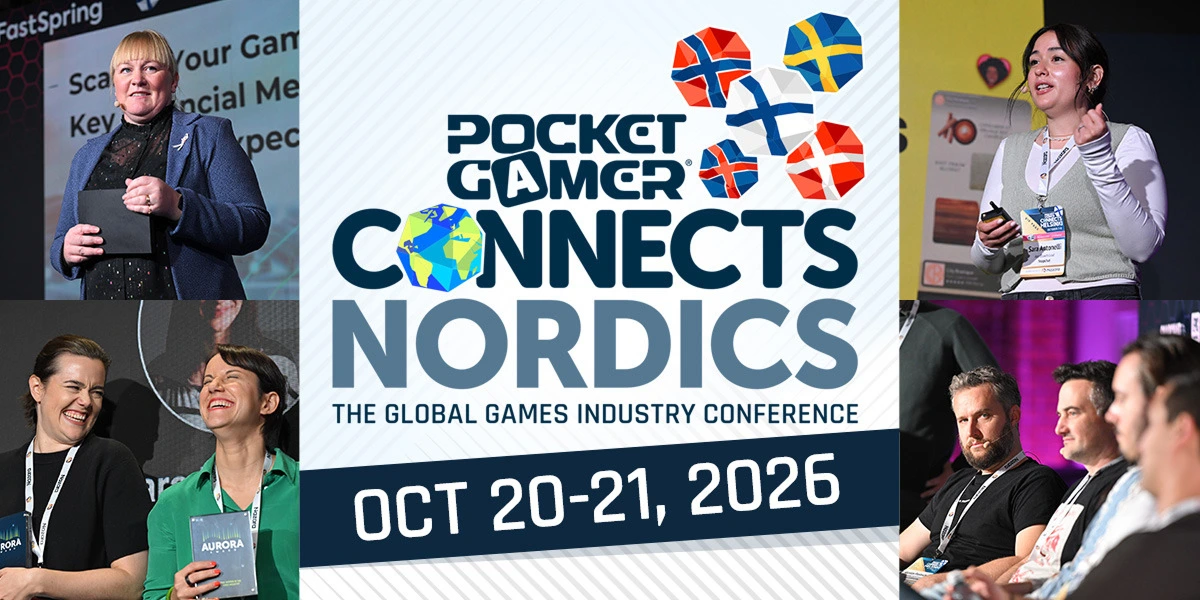
Hear the full conversation at PG Connects Nordics, taking place next week on October 20th-21st at Wanha Satama in Helsinki as part of Finnish Games Week.
Book your ticket here.
来源:Pocketgamerbiz · pocketgamer.biz