Istikan Studio 的 Danar Kayfi:“大多数投资者和发行商仍不认为伊拉克是制作游戏的地方”
Istikan Studio's Danar Kayfi: "Most investors and publishers still don't see Iraq as a place where games get made"
Istikan Studio 的 Danar Kayfi 表示,大多数投资者和发行商仍不认为伊拉克是制作游戏的地方。该工作室位于 Erbil,隶属 Tornet,7人团队开发 Istikan Chai 等游戏,其中 Istikan Chai 超过75% Steam销量来自中国且无发行商与付费营销。
- The hardest part for Iraqi developers is shipping their first game, but every team that succeeds makes it easier for the next.
- Tornet funds Istikan Studio’s development, helping the Erbil-based team build games rooted in Kurdish and Iraqi culture for global audiences.
- More than 75% of Istikan Chai’s Steam sales come from China, without a publisher or paid marketing.
Stay Informed
Get Industry News In Your Inbox… Sign Up Today
Erbil-based Istikan Studio is building a growing catalogue of games, from cosy tea shop simulator Istikan Chai to strategy game General Idler and upcoming title Bathroom Please!.
The seven-person team operates as part of Iraqi telecom and digital solutions company Tornet, funding its development without outside investors.
Ahead of Pocket Gamer Connects Jordan on November 7th and 8th, we speak to studio manager Danar Kayfi about finding an audience in China, building games rooted in Kurdish-Iraqi culture and what Iraq’s game development scene needs to help more local teams become sustainable businesses.
PocketGamer.biz: Could you tell us a bit about Istikan Studio and what you're up to right now?
Danar Kayfi: We're a small game studio in Erbil, in the Kurdistan Region of Iraq, and the game development arm of Tornet, a telecom aggregation and digital solutions company. We named ourselves after the istikan, the small glass that tea is served in across Iraq and much of the Middle East. The popular story is that British colonial officers called it the "East Tea Can" and over time that became "Is-ti-kan".
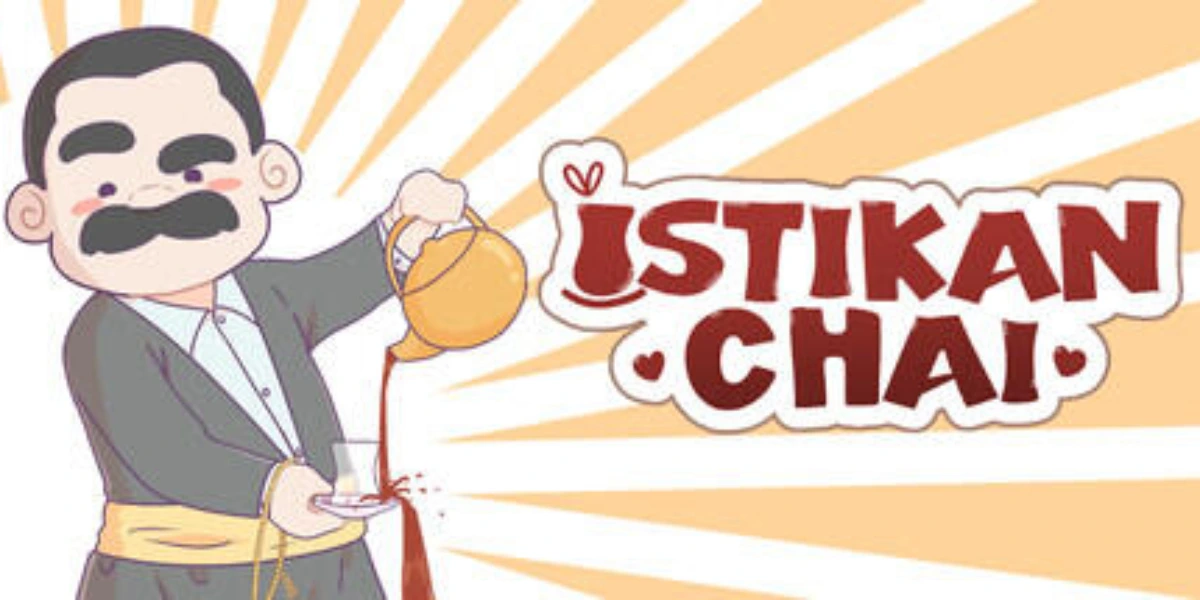
It's in every home, office and bazaar here, and that's roughly where we'd like our games to be too. We're very busy right now. Social Suspect just launched on iOS and Android. General Idler, our strategy idle game where you conquer a world of 195 countries, is moving from demo to its full 1.0 release on Steam.
Bathroom Please! has a demo going into Steam Next Fest and launches on October 27th. Istikan Chai has already had many content updates, is getting a Halloween one next, and is in the Steam Autumn Sale. We don't usually launch this much in one month, and I'll admit the coffee machine is working harder than the tea kettle.
How big is the team right now? And are all team members based in Iraq?
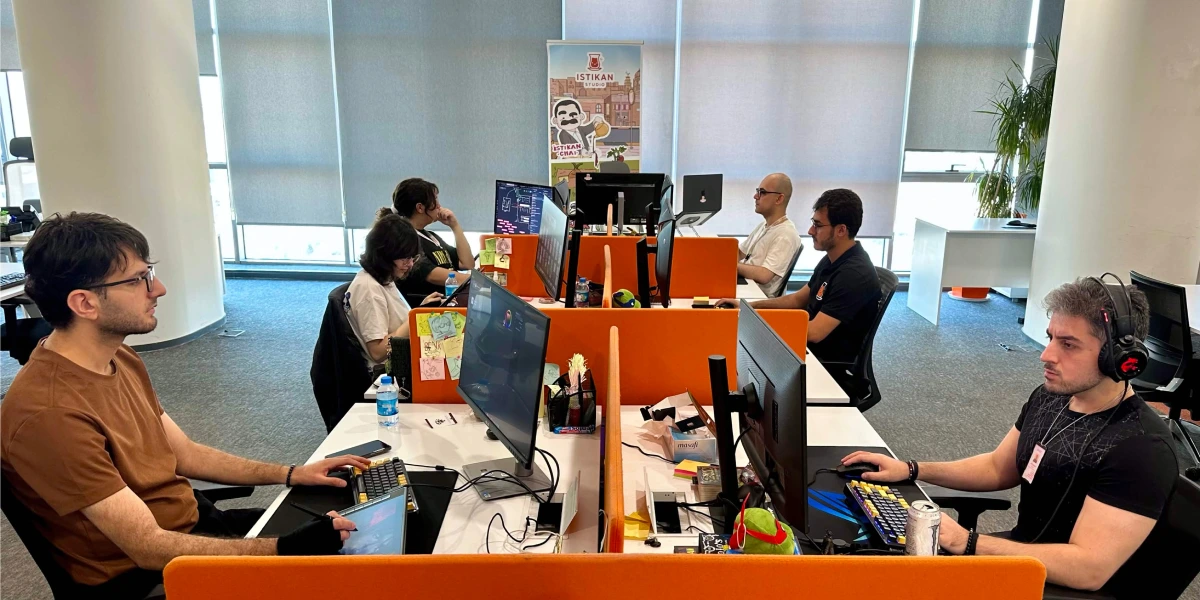
There are seven of us: three developers, three artists and me. I manage the studio, but I also design and still write code, because at our size nobody gets to do only one job. We're all local and all work together in Erbil. We work as three pods of two, and a pod usually takes a game from concept to store in three to six months.
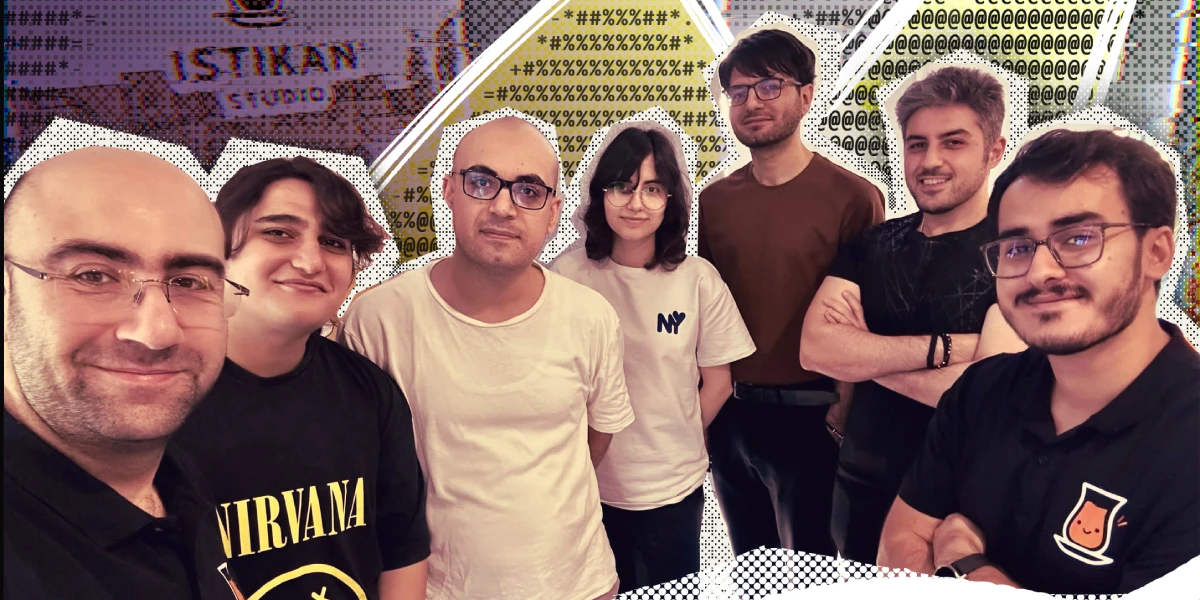
Everything happens in-house, including design, art, engineering, QA, store submissions and post-launch updates. Our whole team is Kurdish-Iraqi and that's the reason our games look and feel the way they do.
You've developed games for PC (Steam), iOS, and Android. How do you decide which platform to target for a new game?
We start from the player and how they want to play the game, then work back to the platform. A cosy cooking game with short sessions works on both a Steam Deck and a phone, so Istikan Chai shipped on both.
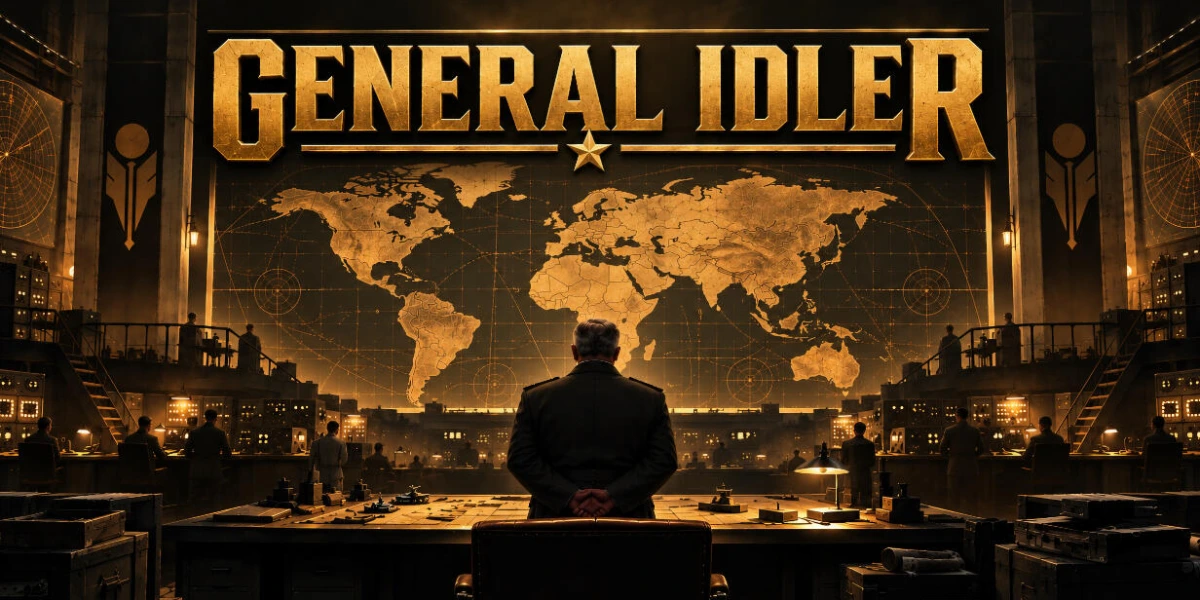
General Idler is a deep idle strategy game, and the PC players who love that genre are happy to pay once and play for 100 hours, so it's on Steam. Our work with Tornet's VAS side, like Animal Match and Torliga Champions, goes to mobile and telecom carrier channels because that's where those players are.
Lately Steam has become our lead platform for our own games.. It gives a small studio from Erbil a fair shot at a global audience without a marketing budget. Demos and festivals like Next Fest also let us test ideas before we commit to them.
How do you approach development and live support across multiple platforms as a small team? And how do you prioritise resources between developing games and providing outsourcing services to other companies?
We reuse a lot. Every game we make leaves us tools, systems and pipelines to build the next one on. Tikka & Kebab, our next cooking game, reuses a big part of Istikan Chai's engine and art pipeline. We also plan each title's life before it launches.
“Each game taught us something. Istikan Chai showed us that cultural authenticity sells and that casual cooking sims are still hugely popular.”
Danar Kayfi
Some games get regular content updates and others move to a lighter bug-fix and polish cycle, and we're open about which is which. That's how seven people can support a whole catalogue. We treat partner work as a pod assignment like any other, with a clear scope and a fixed team, so it doesn't eat into our own games.
It also keeps the studio stable and pushes us into genres we wouldn't pick ourselves. Torliga Champions, a football card game built around the road to the 2026 World Cup, is a good example.
Talk to us about how your games have been received outside the Middle East. More than 75% of Istikan Chai’s Steam sales are coming from China. What do you think is driving this appeal? Were you doing anything specifically to target Chinese players?
Honestly, China found us, not the other way around. We shipped Istikan Chai with Simplified Chinese from day one, but we had no publisher, no paid marketing and no presence on Bilibili or WeChat.
Nobody on the team speaks Chinese. Chinese players showed up anyway, and they now account for more than 75% of our Steam sales which led to adding new cities & content to celebrate Chinese players.
We think the appeal is a familiar loop in an unfamiliar place. Everyone understands "take the order, make it, serve it, upgrade the shop," but almost nobody has run a tea stall in a Middle Eastern bazaar. Chinese players also have a deep tea culture of their own, and they respond well to cosy hand-drawn art and characters with personality.
They screenshot the details: the istikan glass, the patterns, the market. Other Middle Eastern cooking games show the same pattern, so we don't think it's luck. With our next cooking game, we're doing it on purpose. Tikka & Kebab will have professional Chinese localisation from day one. The first time was an accident, and we'd like the second to be a plan.
You've gone from Istikan Chai and Tiny Jar Farm to Torliga Champions, Animal Match and now General Idler and Bathroom Please!. How deliberate is the variety in your portfolio? Are you testing different genres to find where the studio fits best?
Partly, yes, and we're fine admitting it. When you're a young studio in a market with almost no games industry history, there's no playbook to copy, so you have to write one. Before there was an Istikan Studio, there were only individual attempts. Istikan Chai and General Idler both started as game jam games long before the studio was formed.
Each game taught us something. Istikan Chai showed us that cultural authenticity sells and that casual cooking sims are still hugely popular. Tiny Jar Farm taught us how the idle genre and its structure work, and we put those lessons into General Idler.
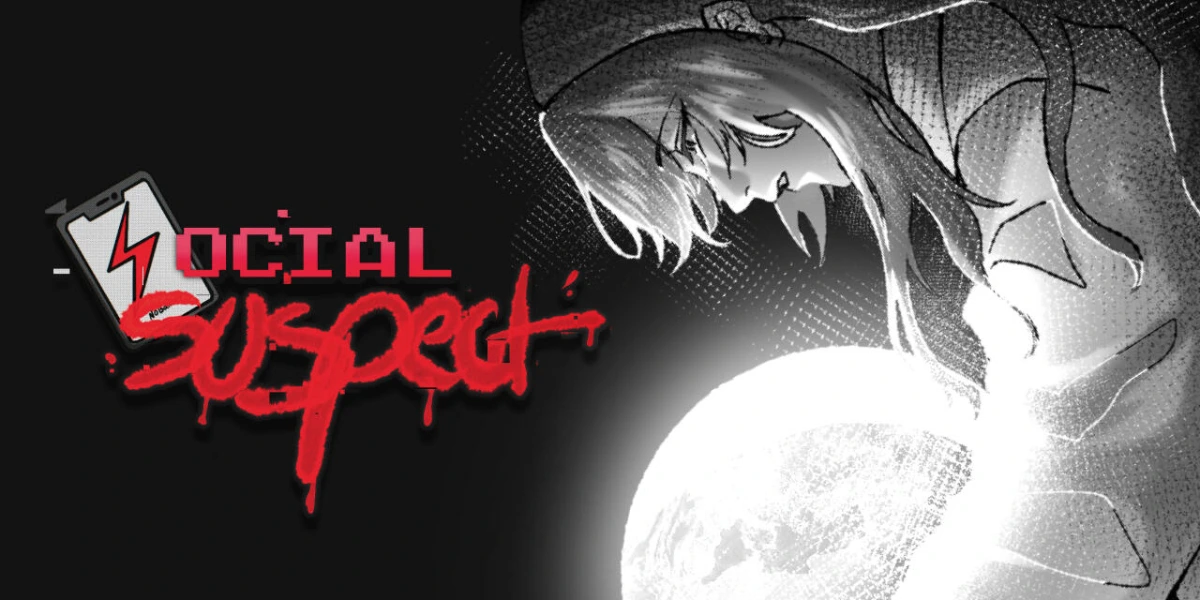
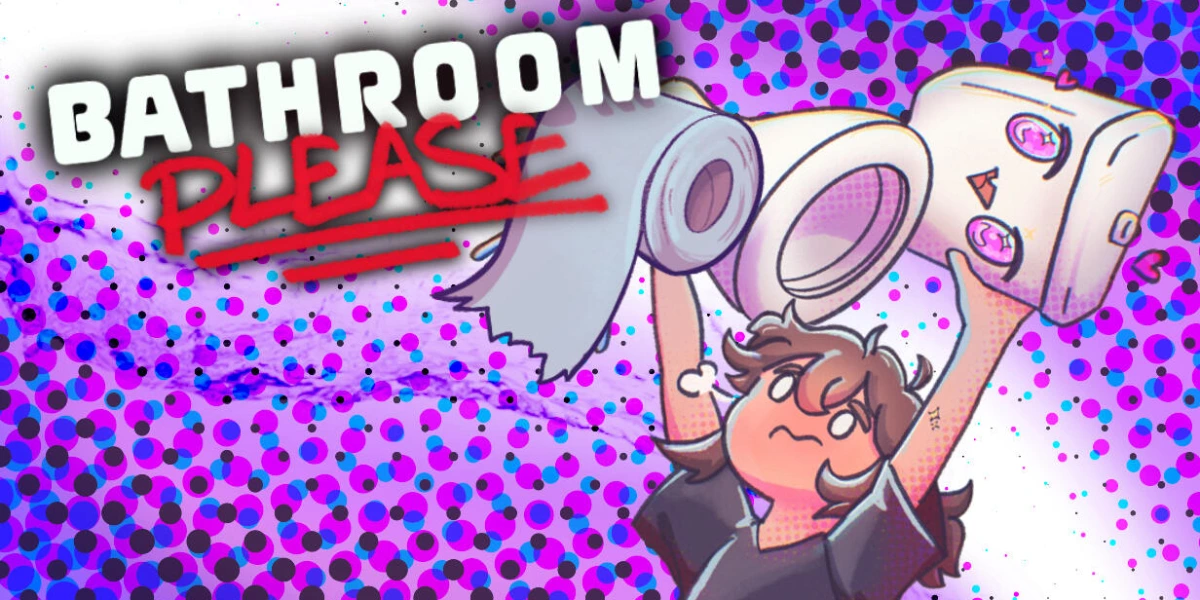
Social Suspect is us exploring the murder investigation puzzle genre after a successful game jam test. Bathroom Please! is us having pure fun: a desperate dash to the toilet through a park, an office and a public pool, where every step counts and every stranger is in your way.
What stays the same across all of them is scope discipline and a sense of place. We're starting to see where we're strongest, which is cosy, tactile, culturally grounded games, and more of the roadmap is heading that way. We'll still make the occasional wild one, and Bathroom Please! is proof.
What do you see as the current opportunities and challenges facing the games industry in Iraq and the wider MENA region?
The opportunity is that the region is young, online and huge. Players here are hungry for games that reflect them, and the rest of the world is curious about places it has only seen on the news. Our tea stall is proof. There's a story here nobody else can tell. The challenges are practical. Getting paid and getting access to stores is still hard.
Experienced developers are rare because there's no pipeline of studios to learn in. Most investors and publishers still don't see Iraq as a place where games get made. The hardest part is shipping the first game, and every team that ships makes it a little easier for the next.
Tell us more about the game development scene in Iraq. There’s a growing number of studios and developers, but many are still operating outside the traditional studio structure. What do you think the Iraqi ecosystem needs most to help more of these teams become sustainable businesses?
Four things. First, business know-how. That means store pages, wishlists, pricing and localisation. Many talented Iraqi developers can build a great game, but nobody has shown them how to sell one. Second, real studio jobs. People need to learn in a team, not alone at 3 a.m.
“For most indie teams here, funding is thin. It tends to go either to very early prototypes or to companies that are already big, with little in between.”
Danar Kayfi
Third, community. Groups like Baghdad Gaming Lab are already functional and active, which is great, but Iraq is big and we need many more of them: game jams, meetups, and people sharing honest numbers, including the bad ones.
And lastly, better access to global online banking. Something as basic as receiving store payments or paying for developer accounts is still a hurdle here. Fixing that would remove a barrier that has nothing to do with talent.
In terms of funding and support for game studios in MENA, what has been your experience navigating the funding landscape?
We're in an unusual position. Tornet covers all of Istikan Studio's costs as its game development department, so we're funded by an operating business, not by investors. That lets us plan over longer periods instead of from one funding round to the next, and more companies in the region could try this model.
For most indie teams here, funding is thin. It tends to go either to very early prototypes or to companies that are already big, with little in between. What we're looking for now is partners, especially publishers who can handle marketing and user acquisition and take our games into markets like China that we can't reach from Erbil.
What are your plans for the rest of 2026 and the coming year? Will you be exploring new platforms? And are there more projects on the horizon that we should look forward to?
The rest of 2026 is busy. Bathroom Please! goes through Next Fest and launches on October 27th. General Idler begins its post-launch life. Istikan Chai gets its Halloween update.
We're also building BloooBleee, a chaotic party game where squishy blobs build towers and shove each other off them while the floor rises. It will have Versus and Team modes, and we hope to show a demo at Pocket Gamer Connects Jordan later this year.
The big one is Tikka & Kebab, a cosy cooking sim where you run a charcoal grill house in a Kurdish bazaar. The demo is planned for December and the full release for Q1 2027, with Simplified Chinese from day one. We're also prototyping a new 3D mobile puzzle game. On platforms, our first goal is getting our PC games onto Steam Deck.
Pocket Gamer Connects Jordan takes place next month, on November 7th and 8th.
来源:Pocketgamerbiz · pocketgamer.biz